SAP Certified - Positioning SAP Business Suite via SAP Supply Chain Management Solutions (C_BCSBN_2601) Exam AI Role-Plays (Scenarios) Questions
Prepare for the SAP C_BCSBN Exam (New Format)
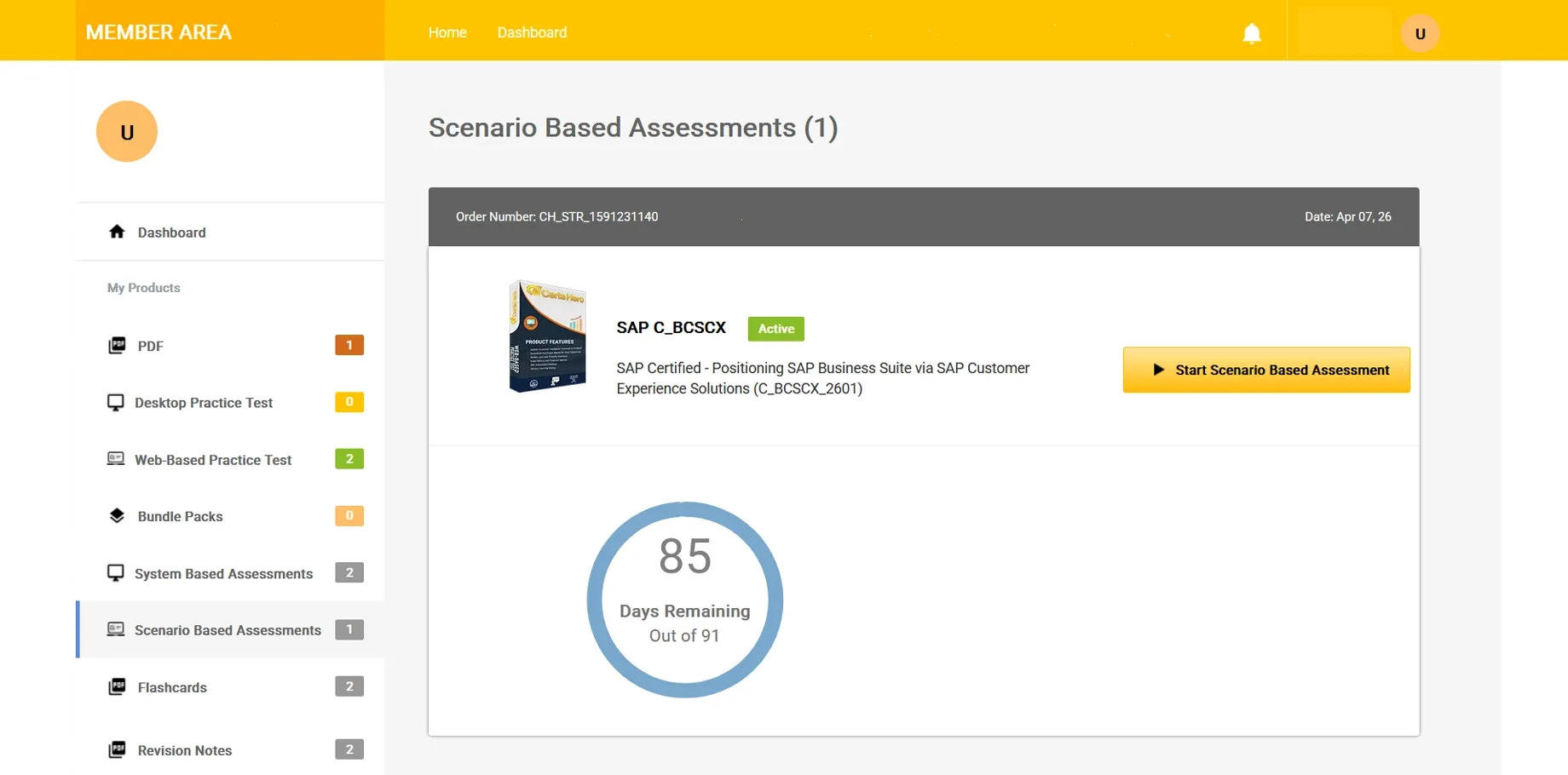
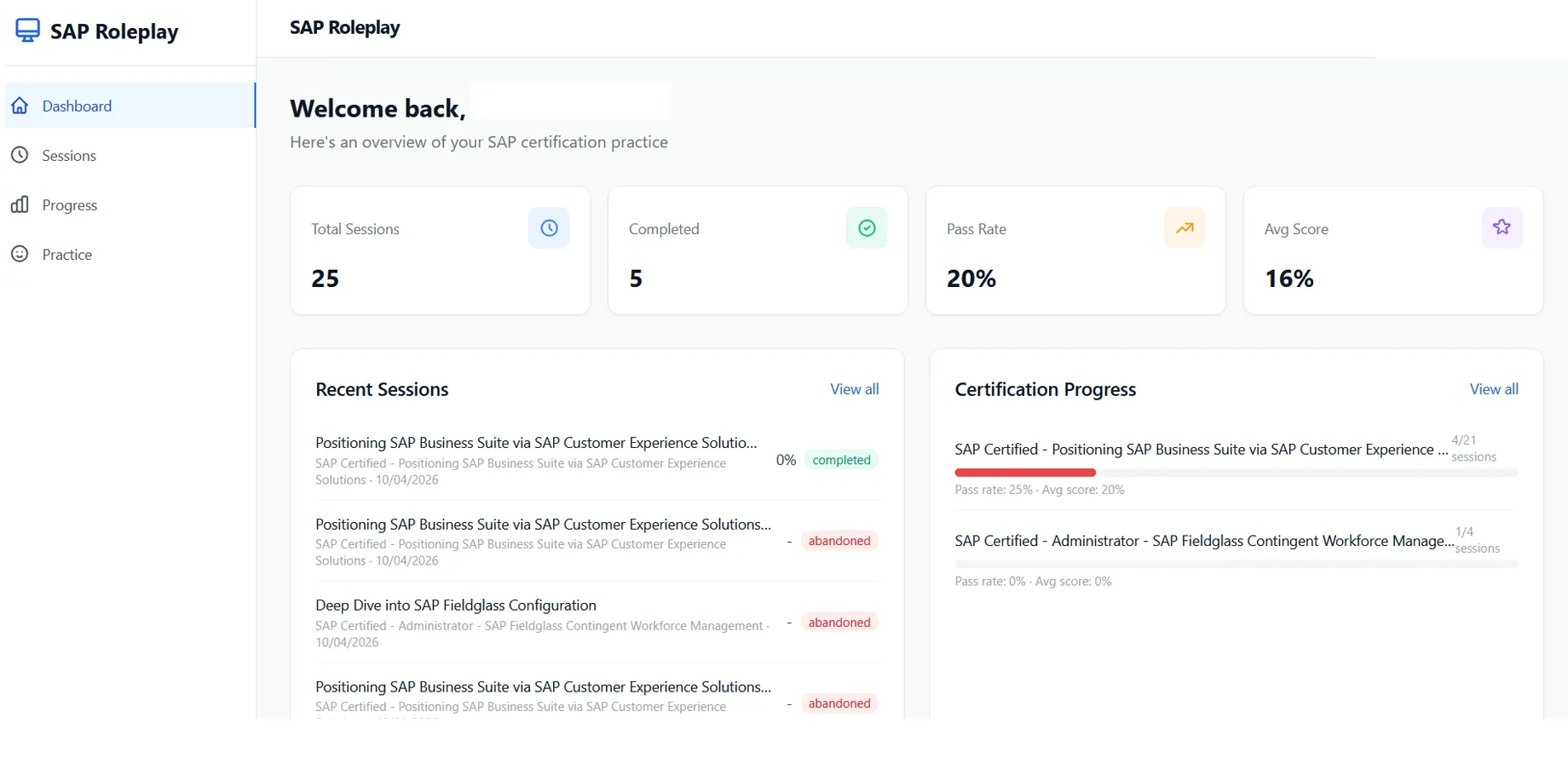
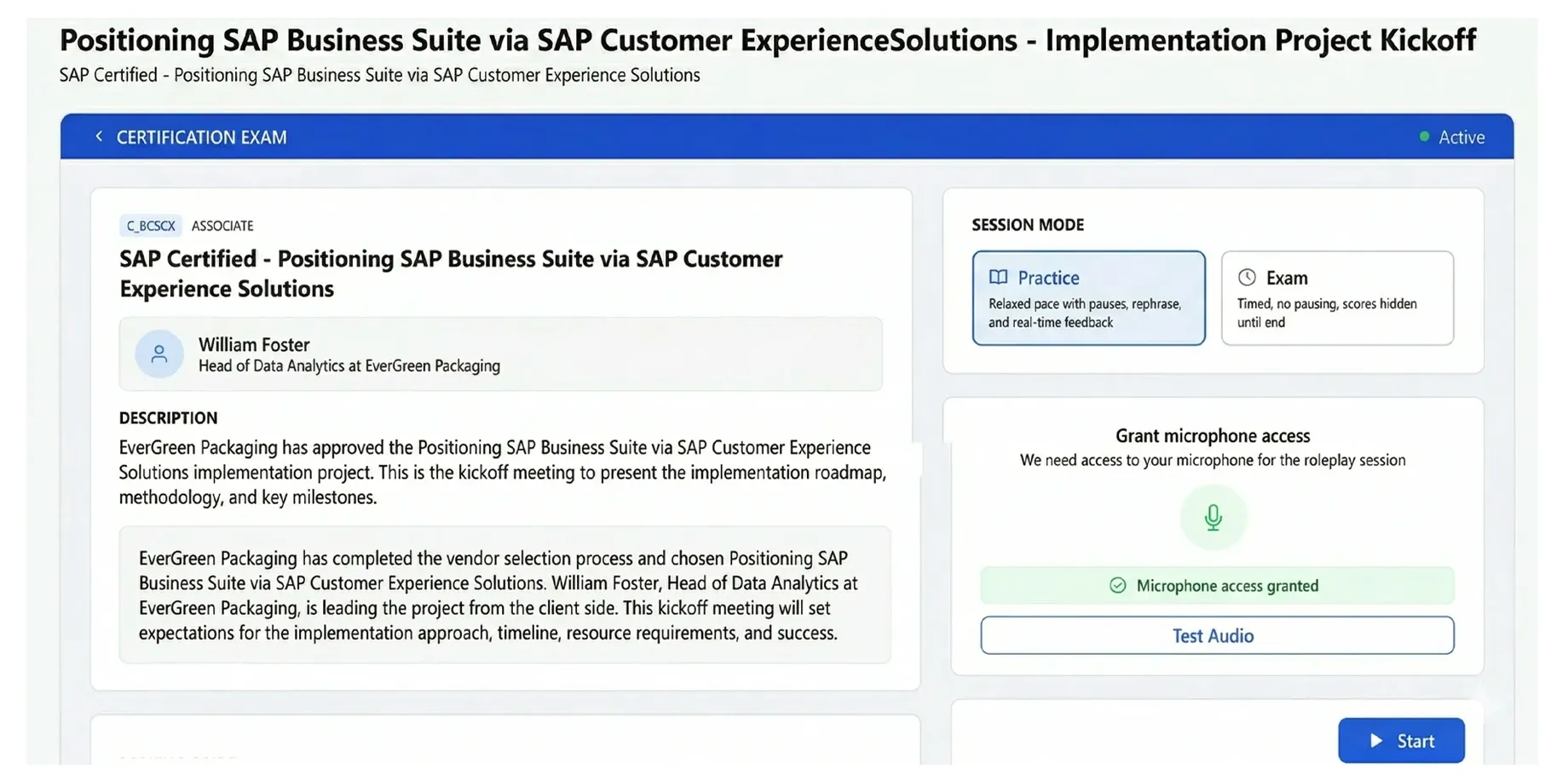
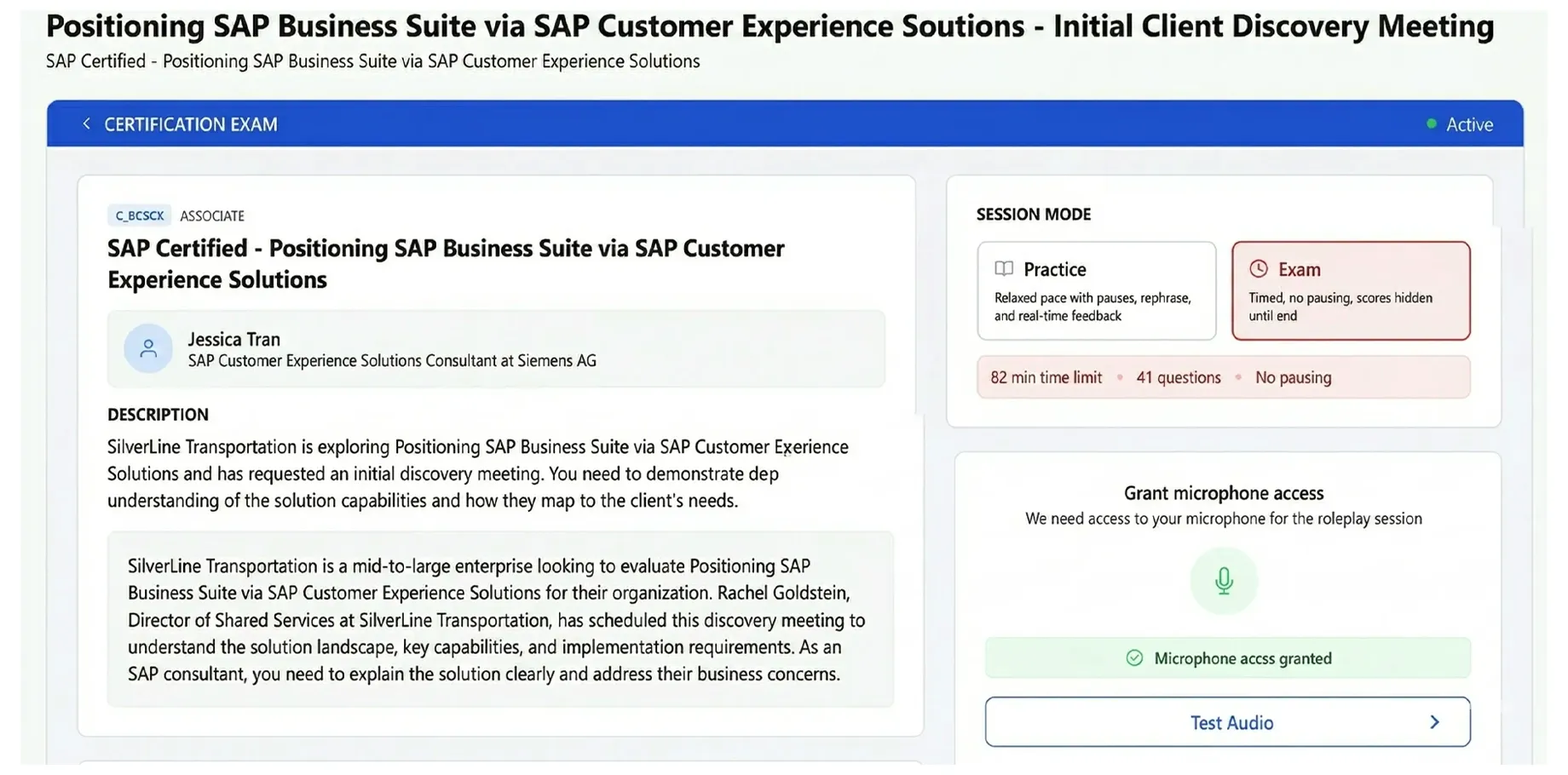
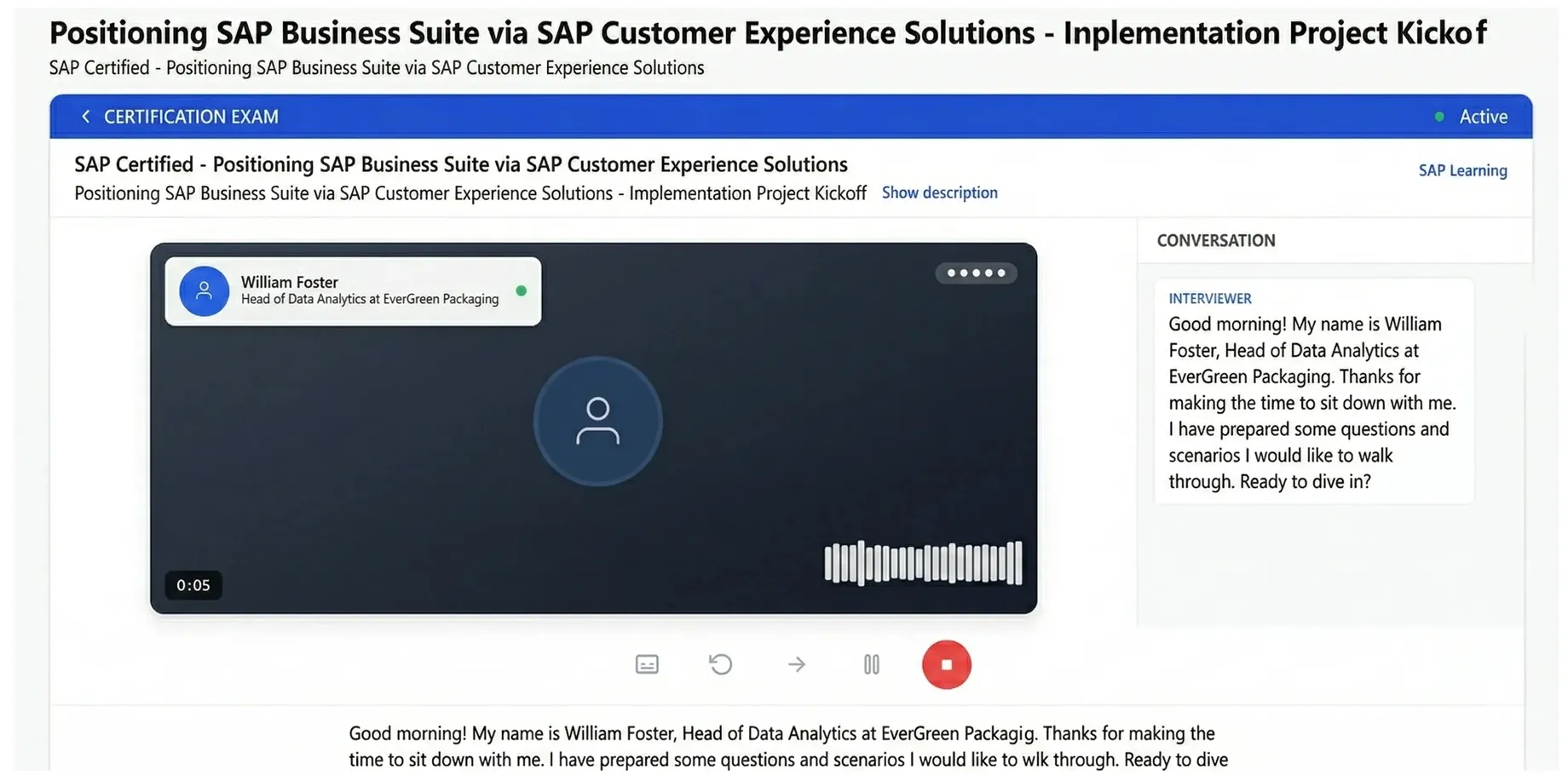
The SAP Certified - Positioning SAP Business Suite via SAP Supply Chain Management Solutions (C_BCSBN_2601) Exam is an AI Role-Play or Scenario-Based Assessment, meaning that in the actual SAP C_BCSBN exam, you will be given a business problem, and you'll have to interact with an AI persona who plays the role of a client or project stakeholder (a.k.a AI Role-play). Your task would be to explain and/or architect a solution to the given scenario. The AI persona will cross-examine your answers to test the depth of your knowledge and delivers results.
CertsHero provides you realistic SAP C_BCSBN exam AI Roleplay scenarios to practice for the actual SAP Certified - Positioning SAP Business Suite via SAP Supply Chain Management Solutions (C_BCSBN_2601) certification and reduce the risk of failure and exam anxiety.
C_BCSBN SAP Certified Associate6+ Activity97% Pass RateUpdated 02-05-2026
SAP AI Role-Plays (Scenarios) Demo for (C_BCSBN) Exam
1 /
7
SAP C_BCSBN exam AI Role-Plays (Scenarios) (New Format)
AI Role-Plays (Scenarios) explained
SAP has introduced a new performance-based assesment format for the SAP Certified - Positioning SAP Business Suite via SAP Supply Chain Management Solutions (C_BCSBN_2601) certification. Instead of traditional mode of conducting the C_BCSBN exam as multiple-choice questions, the new C_BCSBN exam assesment places you in a real-world consulting environment where your practical knowledge and problem-solving ability are put to the test.
You will be presented with a real-world business problem relevant to SAP Certified - Positioning SAP Business Suite via SAP Supply Chain Management Solutions (C_BCSBN_2601)
You will interact with an AI persona acting as a client or project stakeholder (AI Roleplay)
The AI will cross-examine your answers to test the depth of your understanding related to SAP Certified - Positioning SAP Business Suite via SAP Supply Chain Management Solutions (C_BCSBN_2601) domains
You must explain and/or architect a solution that addresses the business scenario
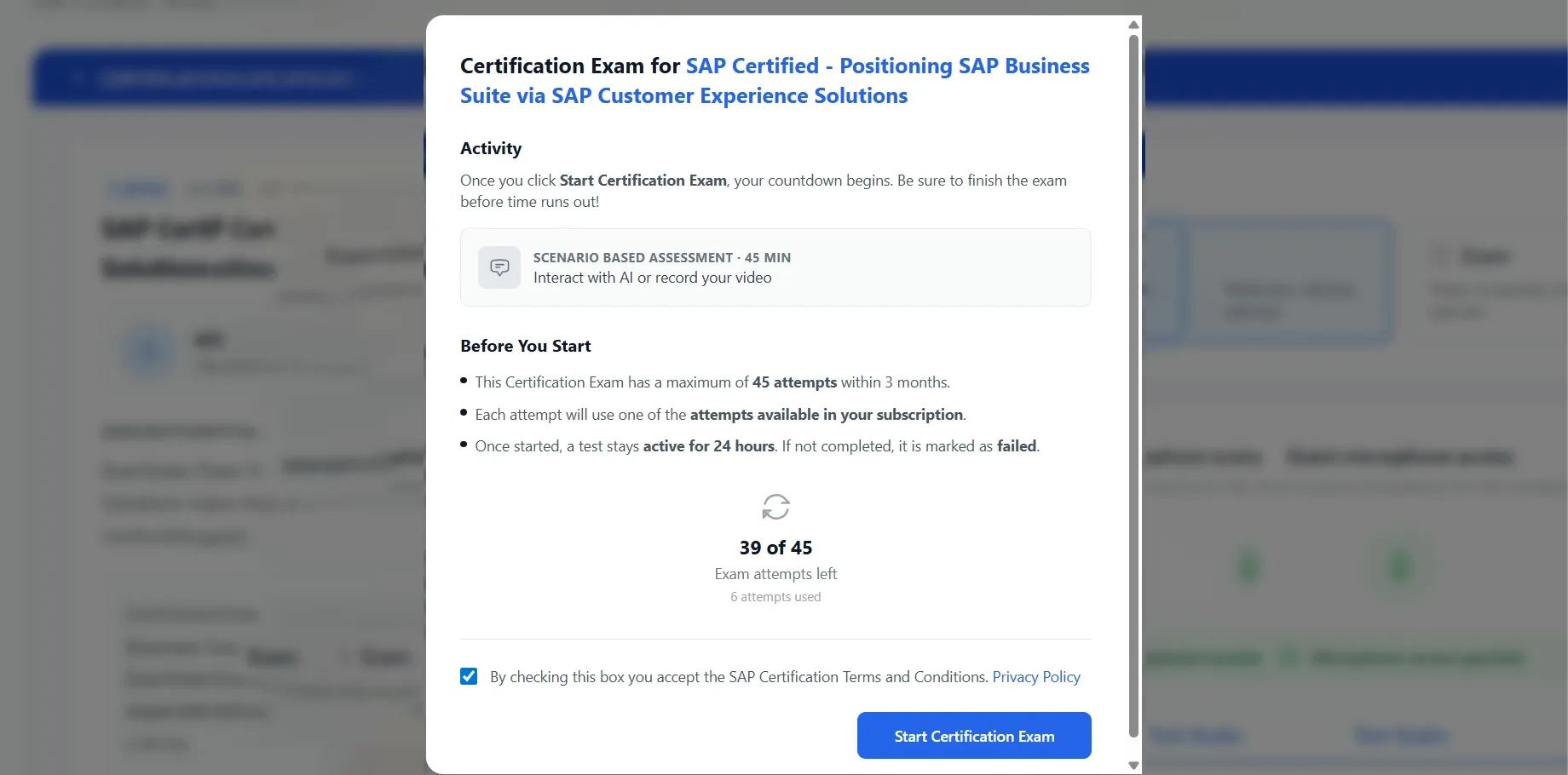
The C_BCSBN exam is open-book and unproctored i.e. it can be taken anytime at your convenience
Results for the C_BCSBN exam are typically delivered within 15 minutes of completing the exam, but actual time may vary.
Practice Actual SAP C_BCSBN Exam
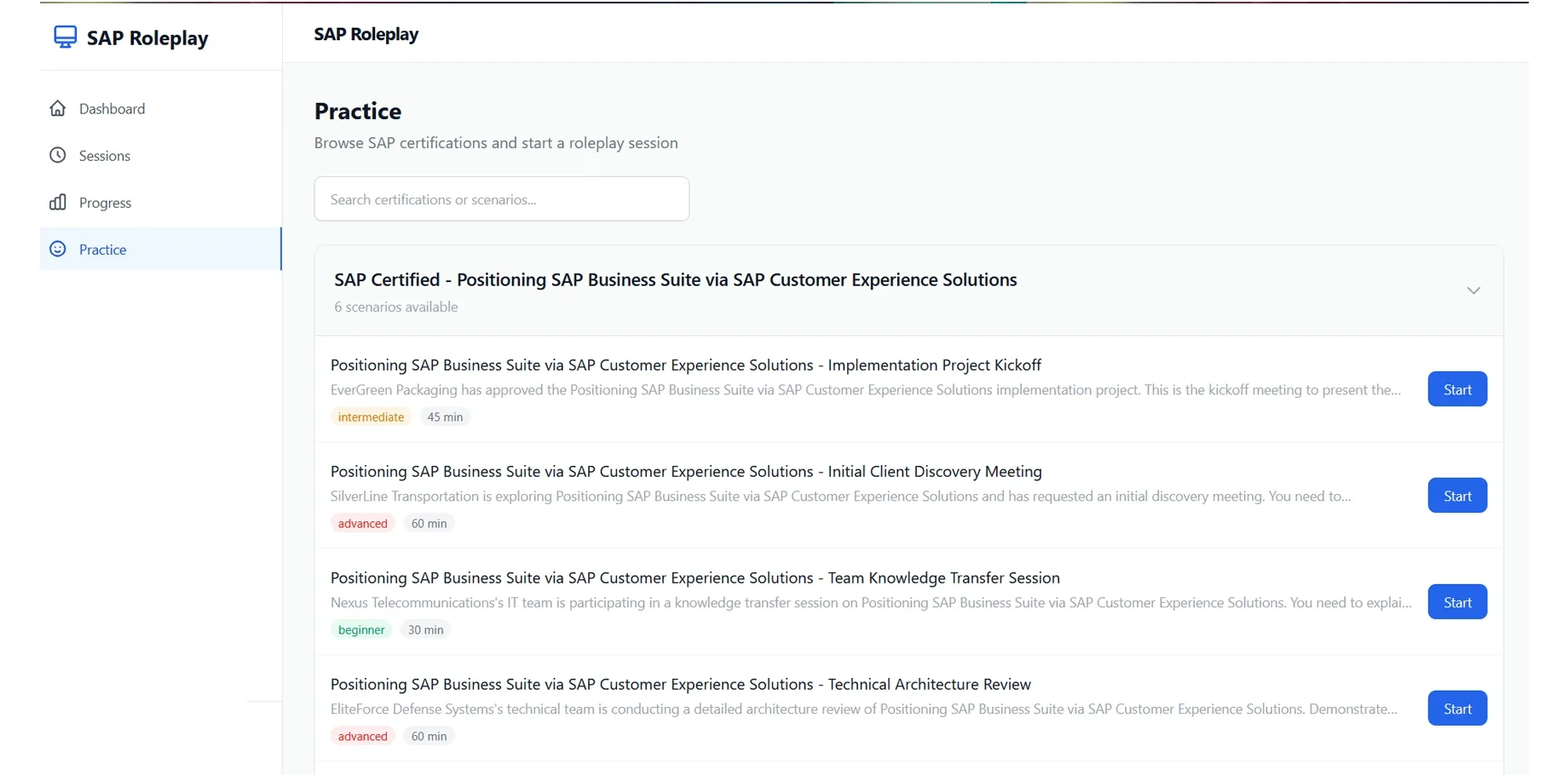
Get instant access to 6+ AI Role-Plays (Scenarios) Questions
CertsHero is the industry first in providing realistic SAP C_BCSBN AI Role-Plays (Scenarios) that reflects the actual SAP test environment, so that candidates can pass their actual SAP C_BCSBN Exam quickly.
SAP C_BCSBN Exam Flash Cards — Active Recall Training
Reinforce key SAP Certified - Positioning SAP Business Suite via SAP Supply Chain Management Solutions (C_BCSBN_2601) exam concepts with flash cards. The deck helps you revise SAP C_BCSBN Exam frequently missed topics and usual weak spots.
Flash Card Demo — Discovering SAP Supply Chain Management Solutions
C_BCSBN Card 1 of 3 (demo)
📂 Deck: Discovering SAP Supply Chain Management Solutions
✓ 0 Known⟳ 0 Review● 3 New
Question — Easy
What are the three phases of supply chain management evolution?
Exploring Supply Chain Leaders Objectives and Challenges👆 Click card to reveal answer
Answer
The three phases are: Phase 1: Efficiency, Phase 2: Resiliency, Phase 3: Orchestration.
Discovering SAP Supply Chain Management Solutions ·
Exploring Supply Chain Leaders Objectives and Challenges
Add-on
Mock Tests for SAP C_BCSBN Exam
Sit timed full-length mock exams that hekps you master C_BCSBN concepts — 294 questions, 180 minutes, instant score breakdown by topic.
Mock Test Result Preview — Exam Simulation
C_BCSBN · Mock #3
72%Your Score
58Correct / 80
✓Pass (≥65%)
148mTime used
Score vs. Pass Threshold72% — You passed ✓
Pass 65%
0%Your score: 72%100%
Actual SAP C_BCSBN Exam AI Role-Plays (Scenarios)
Start practising to pass SAP C_BCSBN Exam on your first attempt
Prepare smarter for SAP Certified - Positioning SAP Business Suite via SAP Supply Chain Management Solutions (C_BCSBN_2601) with AI Role-Plays (Scenarios) practice, hands-on labs, and mock tests. Instant access available.
 Get Full
Access — $99
Get Full
Access — $99